
Leasing productive assets: growing without paying cash upfront
For many companies, growth demands an uncomfortable decision. They need machinery, equipment, vehicles, technology or operating infrastructure to produce more, deliver better or take on new contracts — but paying cash can starve the business of oxygen.
The problem isn't investing. The problem is investing in a way that leaves the company without room to maneuver.
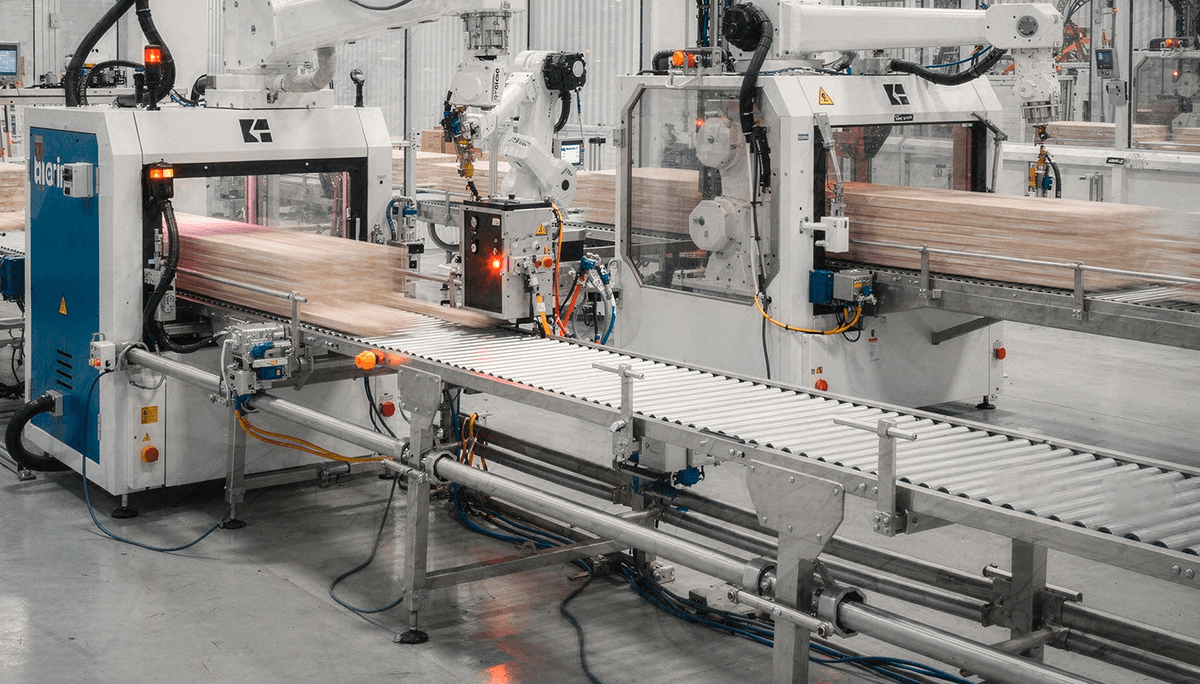
A productive asset is not just any purchase. It is a good that participates directly in generating revenue: a machine that increases production capacity, a truck that covers more routes, a forklift that cuts loading times, medical equipment that enables new services, or technology that makes the operation more efficient.
When that asset is bought with cash, the company gains immediate ownership — but it also immobilizes capital. That money is no longer available for inventory, payroll, maintenance, supplier advances, taxes, hiring or contingencies. In a growing company, that liquidity can matter as much as the asset itself.
Leasing changes the conversation. Instead of asking only what the equipment costs to buy, it allows a more strategic question: how much value can this asset generate while it is paid for in an orderly way?
That difference matters. Leasing lets a company use the asset for a defined term, with scheduled payments, without the full outlay at the start. Depending on the structure, the company can keep flexibility, renew equipment, acquire the asset at the end of the contract, or arrange payments that match its operating cash flow.
The Mexican context makes this decision especially relevant. According to INEGI, gross fixed investment grew 4.0% month over month in April 2026, and the machinery and equipment component rose 2.0%. Companies are returning to productive investment decisions — but doing it well remains as important as deciding to invest at all.
Leasing does not mean giving up on growth. It means growing with a more deliberate financial structure.
Before leasing a productive asset, it is worth reviewing four points: the equipment's expected useful life, the incremental revenue it can generate, the cost of maintenance, and whether cash flow is stable enough to cover the payments. A productive asset needs a clear purpose within the business. You don't lease for novelty; you lease because it unlocks a capability the company needs.
The best decision is not always the one that looks cheapest. Sometimes paying less today turns out expensive if the equipment constrains the operation. And paying everything in cash can seem prudent while quietly weakening working capital at exactly the moment the business needs to respond to more demand.
At Pixxo, this is the right way to understand financing: not as an isolated transaction, but as a development decision. The asset is not the destination. The destination is the capacity that asset lets the company build.
Sources consulted: INEGI, Monthly Indicator of Gross Fixed Capital Formation, April 2026; BBVA México, financial leasing for productive assets; ENAFIN 2024, INEGI/CNBV.