The questions the best business owners ask.
Practical financial analysis, no filler. Every entry answers a real question from businesses like yours.
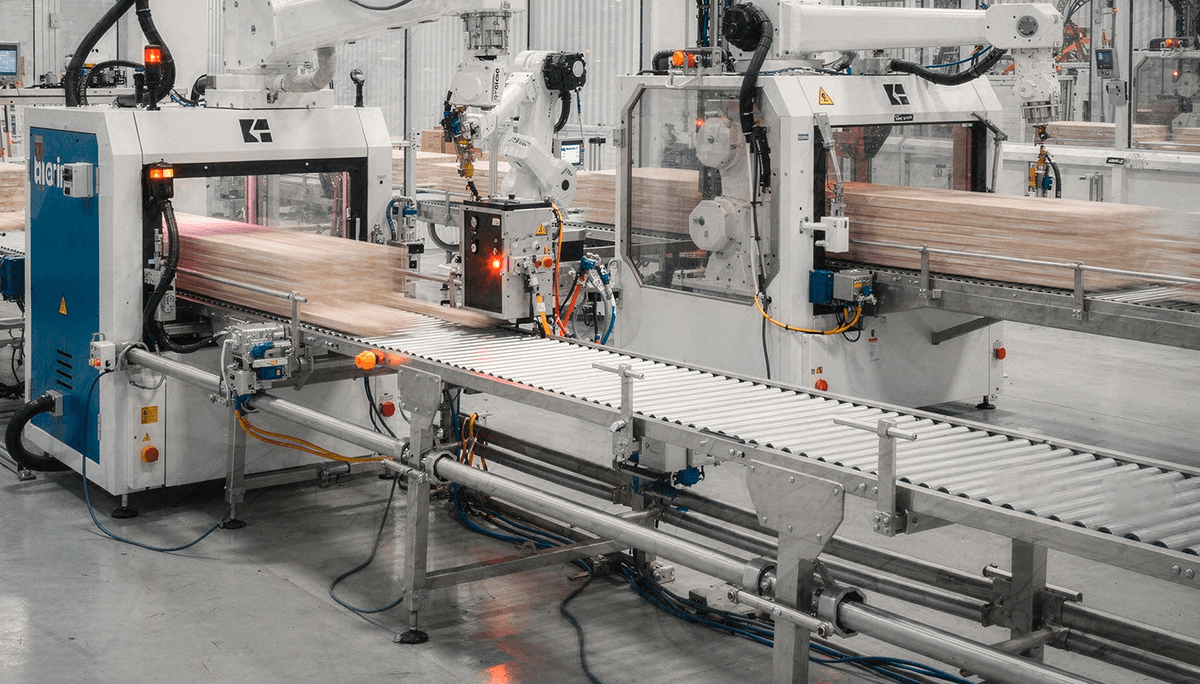
Leasing Productive Assets: Growing Without Paying Cash Upfront
Leasing gives you access to machinery, equipment, vehicles or technology without tying up capital from day one. The key is financing productive capacity, not simply acquiring an asset.

Buy or Lease Machinery: The Decision That Can Protect Your Cash Flow
Buying machinery is not the only route to growth. Leasing can help preserve liquidity, keep payments orderly, and judge an asset by its operational impact rather than its price tag.

Mexico 2026: Leasing, the Automotive Industry, and Nearshoring Facing the New Financial Cycle
Mexico's auto market opens 2026 with a record in light vehicles, structural pressure on heavy vehicles, nearshoring expectations, and a clear opportunity for NBFIs: grow, yes, but with residual values, funding, AML/CFT compliance, and corporate governance in order — because the financial grace period is over.

How to Grow Without Depleting Your Company's Cash?
Many companies collapse not for lack of sales, but because growth destroys liquidity before collections arrive.
All articles

Operating vs. Financial Leasing: Which One Fits Your Asset
Operating leases and financial leases do not solve the same need. Choosing well depends on how the asset is used, its useful life, whether you intend to own it, and the impact on cash flow.
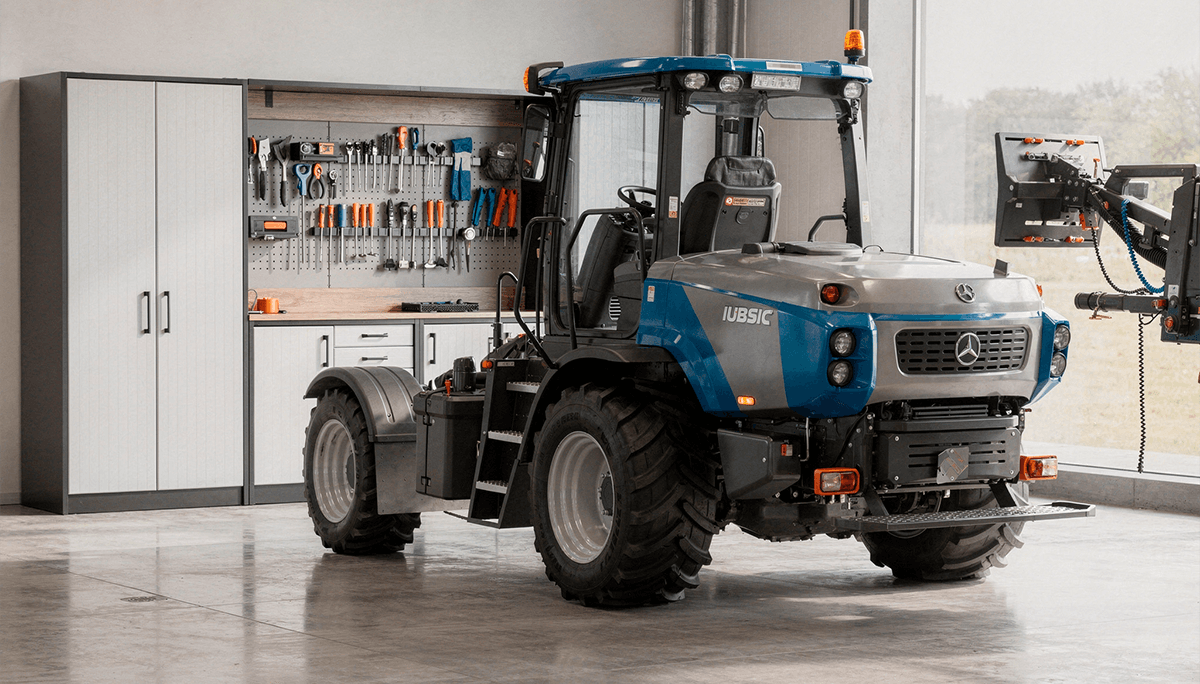
Productive Assets: When a Machine Stops Being an Expense and Becomes Growth
A machine is not worth only what it costs, but the capacity it unlocks. Investment in productive assets should be judged by its impact on revenue, efficiency and operational continuity.
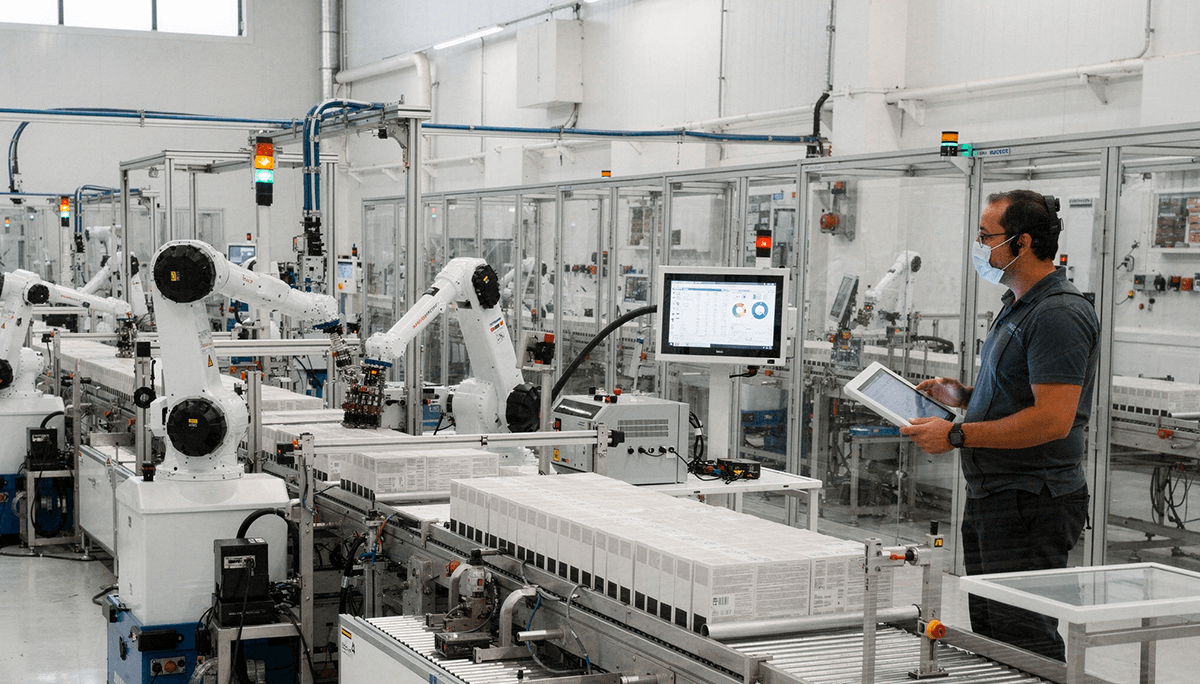
How to Renew Equipment Without Putting Your Liquidity at Risk
Running on old equipment can look like a way to save money, but it often creates hidden costs. Leasing makes it possible to renew productive assets with more control over cash flow.

Leasing for Transport, Construction and Manufacturing: Sectors Where the Asset Rules
In asset-intensive sectors, not having the right equipment can mean losing capacity, contracts or efficiency. Leasing makes it possible to bring in key assets with greater financial control.

The Hidden Cost of Not Investing in Productive Assets
Not investing has a cost too. When a company puts off key assets, it can lose productivity, contracts, efficiency and the ability to compete.
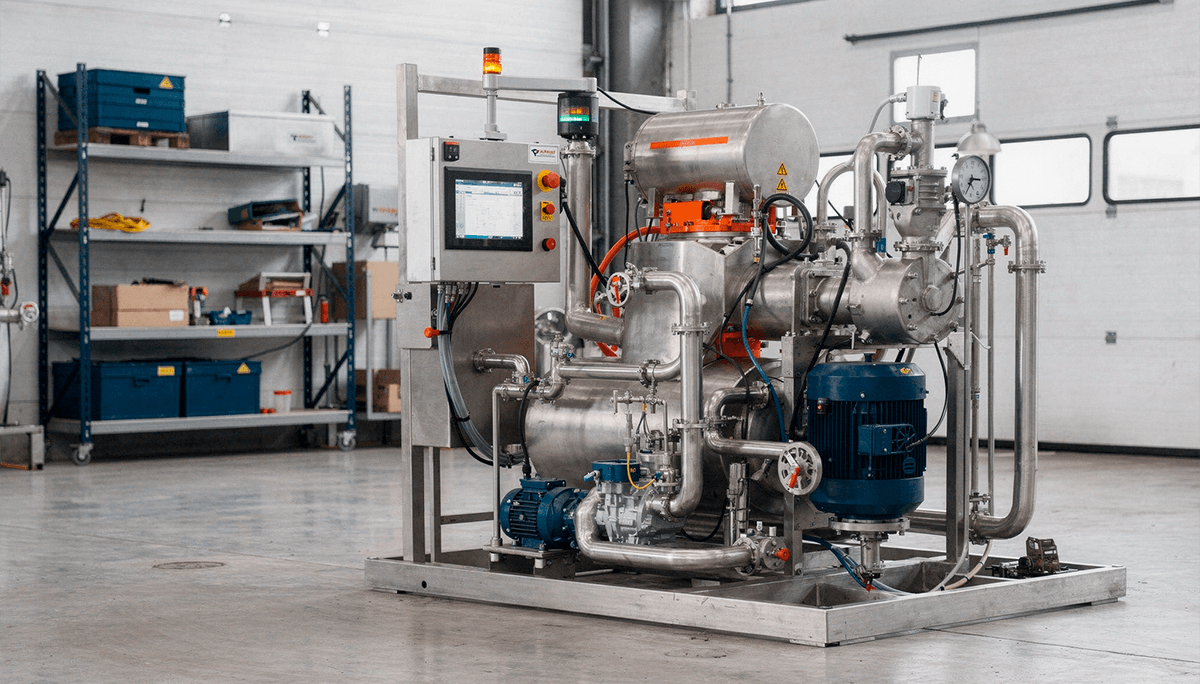
Leasing and Financial Planning: How to Structure an Investment Without Improvising
Leasing works best as part of a financial strategy. Before bringing in productive assets, a company should review cash flow, useful life, expected revenue and operational risks.

Mexico Under the Anti-Money Laundering Microscope: FATF, UIF, and CNBV Raise the Compliance Bar for 2026
Mexico enters 2026 under the scrutiny of FATF, the UIF, and the CNBV — meaning AML compliance, regulatory reporting, blocked-persons lists, invoicing, and operational calendars no longer have room for merely ornamental compliance.

When Does It Make Sense to Lease Instead of Buying Assets?
The answer isn't the same for every company. It depends on cash flow, tax burden, and how long you'll use the asset.

Why Does the Bank Reject Me While a SOFOM Can Approve It?
Traditional banks apply rigid criteria. SOFOMs evaluate the real potential of your business.

How much working capital does my business need to scale?
Getting this calculation wrong can stall your growth or trigger a liquidity crisis right in the middle of expansion.
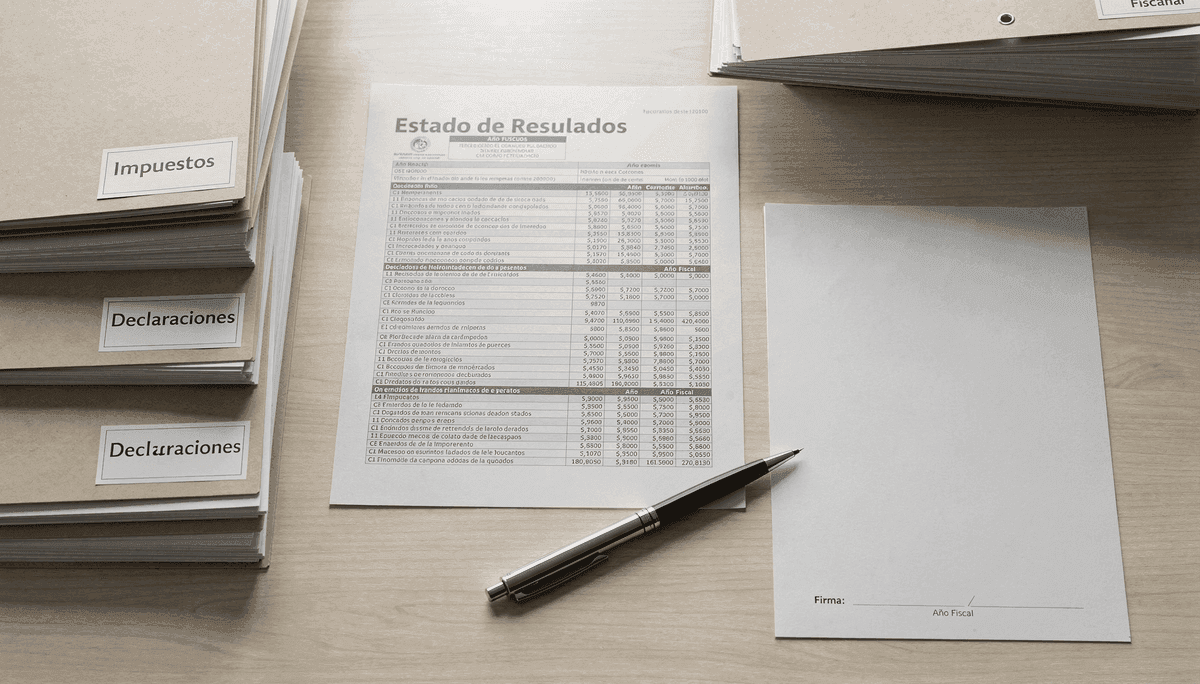
What Collateral Is Required and How Do I Prepare My Business?
Knowing the requirements before you apply can make the difference between approval and rejection of your financing.