
Leasing for transport, construction and manufacturing: sectors where the asset rules
In some companies the asset isn't a support function. It is the center of the operation.
In transport, an idle unit can mean a route left uncovered. In construction, not having the right machinery can delay an entire project. In manufacturing, a constrained line can make it impossible to accept higher-volume orders. In these sectors, growth doesn't depend only on selling. It depends on having the installed capacity to deliver.
That's why leasing productive assets plays a special role in equipment-intensive industries. It allows companies to bring in units, machinery or technology without having to buy everything outright on day one.
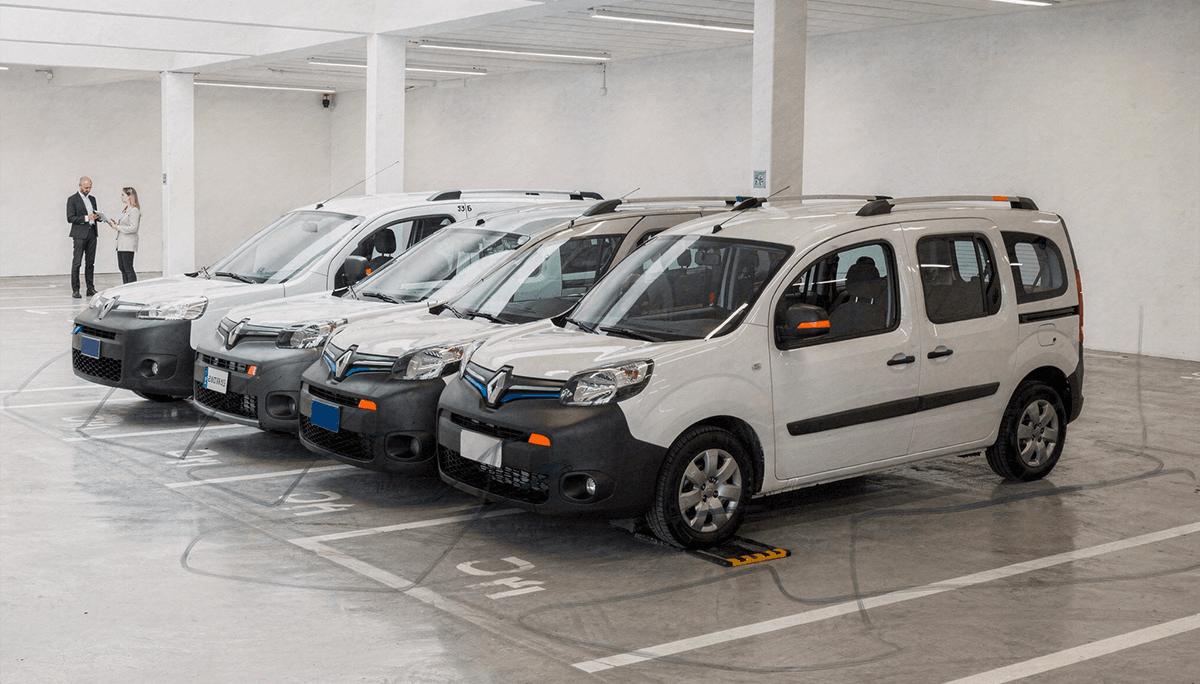
In transport, the asset defines coverage, punctuality and responsiveness. Fleets, light trucks, tractor units, trailers and specialized vehicles aren't simply vehicles — they are how the company bills. Leasing can help renew units, expand routes or serve contracts without committing all available cash.
In construction, time is critical. Not having the right equipment can create delays, penalties or dependence on third parties. Heavy machinery, lifting equipment, platforms, generators and specialized tools can determine whether a project is executed with margin and control.
In manufacturing, machinery defines volume, precision and efficiency. A company can have demand, customers and a sales team, but if its production line is saturated, growth stays a promise. Bringing in machinery through a lease can allow higher output without tying up capital that is also needed for raw materials, inventory, labor and logistics.
The common thread across these sectors is clear: an asset generates revenue when it is connected to a real opportunity. That is why the evaluation shouldn't start with the equipment catalog, but with the business.
Which contract do you want to serve, which route do you want to open, how much additional volume can you produce, what cost will you reduce, what risk do you avoid, and what would happen if the company didn't bring the asset in? These questions separate a productive investment from an impulsive purchase.
Leasing can also offer flexibility in terms and payments, depending on the type of asset, the financial provider and the contract conditions. Public market information shows differentiated terms by type of good: vehicles, forklifts, industrial machinery, construction equipment and technology tend to have different horizons because not all assets wear down or generate value in the same way.
At Pixxo, leasing is analyzed from that reality. It isn't about approving an isolated good, but about understanding how that asset fits into the client's operation. A new unit can mean one more route. A machine can mean a more stable production line. Construction equipment can mean a project delivered on time.
When the asset rules, the financial structure has to match. A business owner doesn't just need money to buy equipment. They need capital with vision — to decide which asset to bring in, when to do it, and how to pay for it without weakening the rest of the business.
Sources consulted: BBVA México, financial leasing and terms by asset type; INEGI, Monthly Indicator of Gross Fixed Capital Formation; ENAFIN 2024, INEGI/CNBV.